Medeshi
Kenya drought leaves 4m needing handouts
Medeshi
By Mike Pflanz in Nairobi
Published: 4:56PM BST 22 Sep 2009
Three failed rainy seasons have left up to four million Kenyans needing food handouts and trucked-in water as the latest in a series of droughts sweeps through the Horn of Africa.
As many as 19 million people are currently affected by the lack of rain in Kenya, Somalia, Sudan, Ethiopia and Djibouti.
Harvests have failed in many places and food prices have increased by as much as 130 per cent.
Close to the town of Elwak in northern Kenya, water tankers arrive only every four of five days and when they appear there are fierce fights over the precious few litres given to each family.
As the drought deepens, community elders predict that further bloodshed at water delivery points is inevitable.
Already, the escalating struggle for survival between people and animals has resulted in at least two babies being snatched by starving hyaenas which prowl the perimeter of Elwak's makeshift camps at dusk.
"My month-old baby boy was taken by hyaenas two weeks ago – somebody found his body 10 miles away from here a few days later," Habiba Malim, 49, a former nomad, told Christian Aid researchers during a recent visit.
"The hyaenas are emaciated and attracted by the water in the open tarpaulins, so even though we light small fires to keep them away after dark, we can't stop them altogether." Despite a small amount of basic food supplies starting to trickle in from the UN's World Food Program and other aid agencies, Habiba, like many others, is now only managing to eat one tiny, uncooked meal each day.
"We have very little food or clean water to drink or to cook with and I genuinely fear for my life and that of my remaining eight children.
"This is even worse than the drought we had in 2005 and if the rains don't come soon I don't know what will happen to us," she added.
Posted by Medeshi at 4:08 PM 0 comments
Thursday, August 27, 2009
Ambassadorship, Anyone?
Ambassadorship, Anyone?
Written by Benjamin Joffe-Walt
Published Thursday, August 27, 2009
They spend their lives living in places like Rome, Paris, Buenos Aires and Beijing. They spend their days shaking hands and smiling, and their evenings drinking wine with influential folk from all walks of life. They eat regularly at the best restaurants a country has to offer... The life of an ambassador - regular parties, good pay, superb benefits - is seductive to many.
But Israeli diplomats seem to have found one exception to the rule: Eritrea.
Apparently the Jewish State has been struggling to find a diplomat willing to serve as the country's ambassador to the East African nation for over a year.
"It's not clear to me what's going on," Tesfamariam Tekeste, Eritrea's ambassador to Israel, told The Media Line. "For the last one or two years Israel has been without an ambassador. The Israelis are telling me they can't find someone but I can't understand why."
Tekeste said that while the absence of an ambassador was not good for the two countries' "cordial relationship", it was up to Israel how to proceed.
"We want to maintain our relationship and an ambassador will help, but this is up to the Israeli government," the ambassador said. "If they want to appoint someone they are welcome. If they want to close the embassy they are welcome.
The ambassador said he had been offended by the depiction of Eritrea in an Israeli newspaper's report on the vacancy.
"No food, no water, no electricity - it's rubbish what I read in the newspaper," Tekeste said. "it's ridiculous these kinds of reports. The reality is far from that."
Israeli Foreign Ministry officials said it was a challenge finding people willing to serve in countries like Eritrea
"This is just a circumstantial thing," Yigal Palmor, a spokesman for the Israeli Foreign Ministry, told The Media Line. "It’s always difficult to find people for hardship countries and Eritrea is a hardship country, believe me. When you wake up every morning and you don't know if you'll have electricity or water, that's a hardship country."
"It's not just about finding qualified candidates," Palmor stressed. "This is not the army and you can't force an ambassadorship on anyone. Their families need to agree and there are so many aspects that need to be taken care of: provisions for your children's education, employment for the spouse, etc."
Shlomo Aronson, professor of politics at the Hebrew University in Jerusalem, suggested the absence may be due to a lack of qualified personnel, not a lack of diplomats interested in serving in Eritrea.
"The main job of an Israeli ambassador is talking to the people, not the government," he told The Media Line. "You cannot count on too many people who speak Swahili, or a local language in a country with 250 tribes and just as many languages."
Aronson said the majority of appointments were based on professional qualifications.
"The Foreign Minister, in this case Avigdor Lieberman, has the right to appoint a few people to some positions, especially the ambassador to the U.S., U.N., Germany, France and Great Britain," he said. "But the rest of the ambassadorships are all staffed by career diplomats so the decisions are to a large extent professional and depend on linguistic skills, experience and availability."
Insiders say the time between an ambassador’s position being vacated to the time the position is filled can be quite long.
When an ambassador position opens up, the Israeli Foreign Ministry’s procedure is to open an internal tender for all qualified ministry employees.
If there is no suitable or available candidate for the position, as is the case with Eritrea, the position can be opened to all Israeli civil servants from various ministries.
Applications are then reviewed by an appointment committee, which makes a list of recommendations to the government.
Upon government approval the candidate is sent to the host government, which also needs to confirm the appointment.
Only then can the new ambassador start preparing for going abroad.
On arrival in the host country the ambassador has to present a letter of credentials from the Israeli president, after which they can start working as ambassador.
Requests for comment from the Israeli embassy in Asmara, Eritrea, were refused.
By Mike Pflanz in Nairobi
Published: 4:56PM BST 22 Sep 2009
Three failed rainy seasons have left up to four million Kenyans needing food handouts and trucked-in water as the latest in a series of droughts sweeps through the Horn of Africa.
As many as 19 million people are currently affected by the lack of rain in Kenya, Somalia, Sudan, Ethiopia and Djibouti.
Harvests have failed in many places and food prices have increased by as much as 130 per cent.
Close to the town of Elwak in northern Kenya, water tankers arrive only every four of five days and when they appear there are fierce fights over the precious few litres given to each family.
As the drought deepens, community elders predict that further bloodshed at water delivery points is inevitable.
Already, the escalating struggle for survival between people and animals has resulted in at least two babies being snatched by starving hyaenas which prowl the perimeter of Elwak's makeshift camps at dusk.
"My month-old baby boy was taken by hyaenas two weeks ago – somebody found his body 10 miles away from here a few days later," Habiba Malim, 49, a former nomad, told Christian Aid researchers during a recent visit.
"The hyaenas are emaciated and attracted by the water in the open tarpaulins, so even though we light small fires to keep them away after dark, we can't stop them altogether." Despite a small amount of basic food supplies starting to trickle in from the UN's World Food Program and other aid agencies, Habiba, like many others, is now only managing to eat one tiny, uncooked meal each day.
"We have very little food or clean water to drink or to cook with and I genuinely fear for my life and that of my remaining eight children.
"This is even worse than the drought we had in 2005 and if the rains don't come soon I don't know what will happen to us," she added.
Posted by Medeshi at 4:08 PM 0 comments
Thursday, August 27, 2009
Ambassadorship, Anyone?
Ambassadorship, Anyone?
Written by Benjamin Joffe-Walt
Published Thursday, August 27, 2009
They spend their lives living in places like Rome, Paris, Buenos Aires and Beijing. They spend their days shaking hands and smiling, and their evenings drinking wine with influential folk from all walks of life. They eat regularly at the best restaurants a country has to offer... The life of an ambassador - regular parties, good pay, superb benefits - is seductive to many.
But Israeli diplomats seem to have found one exception to the rule: Eritrea.
Apparently the Jewish State has been struggling to find a diplomat willing to serve as the country's ambassador to the East African nation for over a year.
"It's not clear to me what's going on," Tesfamariam Tekeste, Eritrea's ambassador to Israel, told The Media Line. "For the last one or two years Israel has been without an ambassador. The Israelis are telling me they can't find someone but I can't understand why."
Tekeste said that while the absence of an ambassador was not good for the two countries' "cordial relationship", it was up to Israel how to proceed.
"We want to maintain our relationship and an ambassador will help, but this is up to the Israeli government," the ambassador said. "If they want to appoint someone they are welcome. If they want to close the embassy they are welcome.
The ambassador said he had been offended by the depiction of Eritrea in an Israeli newspaper's report on the vacancy.
"No food, no water, no electricity - it's rubbish what I read in the newspaper," Tekeste said. "it's ridiculous these kinds of reports. The reality is far from that."
Israeli Foreign Ministry officials said it was a challenge finding people willing to serve in countries like Eritrea
"This is just a circumstantial thing," Yigal Palmor, a spokesman for the Israeli Foreign Ministry, told The Media Line. "It’s always difficult to find people for hardship countries and Eritrea is a hardship country, believe me. When you wake up every morning and you don't know if you'll have electricity or water, that's a hardship country."
"It's not just about finding qualified candidates," Palmor stressed. "This is not the army and you can't force an ambassadorship on anyone. Their families need to agree and there are so many aspects that need to be taken care of: provisions for your children's education, employment for the spouse, etc."
Shlomo Aronson, professor of politics at the Hebrew University in Jerusalem, suggested the absence may be due to a lack of qualified personnel, not a lack of diplomats interested in serving in Eritrea.
"The main job of an Israeli ambassador is talking to the people, not the government," he told The Media Line. "You cannot count on too many people who speak Swahili, or a local language in a country with 250 tribes and just as many languages."
Aronson said the majority of appointments were based on professional qualifications.
"The Foreign Minister, in this case Avigdor Lieberman, has the right to appoint a few people to some positions, especially the ambassador to the U.S., U.N., Germany, France and Great Britain," he said. "But the rest of the ambassadorships are all staffed by career diplomats so the decisions are to a large extent professional and depend on linguistic skills, experience and availability."
Insiders say the time between an ambassador’s position being vacated to the time the position is filled can be quite long.
When an ambassador position opens up, the Israeli Foreign Ministry’s procedure is to open an internal tender for all qualified ministry employees.
If there is no suitable or available candidate for the position, as is the case with Eritrea, the position can be opened to all Israeli civil servants from various ministries.
Applications are then reviewed by an appointment committee, which makes a list of recommendations to the government.
Upon government approval the candidate is sent to the host government, which also needs to confirm the appointment.
Only then can the new ambassador start preparing for going abroad.
On arrival in the host country the ambassador has to present a letter of credentials from the Israeli president, after which they can start working as ambassador.
Requests for comment from the Israeli embassy in Asmara, Eritrea, were refused.

We have moved
Medeshi
http://www.medeshi.com/ फॉर थे इंग्लिश रेअदेरस । प्लेअसे क्लिक ओं व्व्व.मेदेशी.कॉम तो विस्त थे मैं पेज
http://www.medeshi.com/ फॉर थे इंग्लिश रेअदेरस । प्लेअसे क्लिक ओं व्व्व.मेदेशी.कॉम तो विस्त थे मैं पेज
पिरतेस इन तल्क्स तो अच्कुइरे Citigroup
मेदेशी
MedeshiPirate humour rules Wall StreetAndrew Willis,
November 21, 2008Argggg, Maties! Here's what shell-shocked financiers are laughing at on Wall Street Friday morning in a phony Bloomberg story:Somali Pirates in Discussions to Acquire CitigroupBy Andreas Hippin November 20 (Bloomberg) -- The Somali pirates, renegade Somalis known for hijacking ships for ransom in the Gulf of Aden, are negotiating a purchase of Citigroup.The pirates would buy Citigroup with new debt and their existing cash stockpiles, earned most recently from hijacking numerous ships, including most recently a $200 million Saudi Arabian oil tanker. The Somali pirates are offering up to $0.10 per share for Citigroup, pirate spokesman Sugule Ali said earlier today. The negotiations have entered the final stage, Ali said."You may not like our price, but we are not in the business of paying for things. Be happy we are in the mood tooffer the shareholders anything," said Ali.The pirates will finance part of the purchase by selling new Pirate Ransom Backed Securities. The PRBS's are backed by the cash flows from future ransom payments from hijackings in the Gulf of Aden. Moody's and S&P have already issued their top investment grade ratings for the PRBS's.Head pirate, Ubu Kalid Shandu, said: "We need a bank so that we have a place to keep all of our ransom money. Thankfully, the dislocations in the capital markets has allowed us to purchase Citigroupat an attractive valuation and to take advantage of TARP capital to grow the business even faster."Shandu added, "We don't call ourselves pirates. We are coastguards and this will just allow us to guard our coasts better."*CITI IN TALKS WITH SOMALI PIRATES FOR POSSIBLE CAPITAL INFUSION*WILL REQUIRE ALL CITI EMPLOYEES TO WEAR PATCH OVER ONE EYE*SOMALIAN PIRATES APPLY TO BECOME BANK TO ACCESS TARP*PAULSON: TARP PIRATE EQUITY IS AN `INVESTMENT,' WILL PAY OFF*KASHKARI SAYS `SOMALI PIRATES ARE 'FUNDAMENTALLY SOUND' '
*Moody's upgrade Somali Pirates to AAA*HUD SAYS SOMALI DHOW FORECLOSURE PROGRAM HAD `VERY LOW' PARTICPATION*SOMALI PIRATES IN DISCUSSION TO ACQUIRE CITIBANK*FED OFFICIALS: AGGRESSIVE EASING WOULD CUT SOMALI PIRATE RISK* FED AGREED OCT. 29 TO TAKE `WHATEVER STEPS' NEEDED FOR SOMALI PIRATE
MedeshiPirate humour rules Wall StreetAndrew Willis,
November 21, 2008Argggg, Maties! Here's what shell-shocked financiers are laughing at on Wall Street Friday morning in a phony Bloomberg story:Somali Pirates in Discussions to Acquire CitigroupBy Andreas Hippin November 20 (Bloomberg) -- The Somali pirates, renegade Somalis known for hijacking ships for ransom in the Gulf of Aden, are negotiating a purchase of Citigroup.The pirates would buy Citigroup with new debt and their existing cash stockpiles, earned most recently from hijacking numerous ships, including most recently a $200 million Saudi Arabian oil tanker. The Somali pirates are offering up to $0.10 per share for Citigroup, pirate spokesman Sugule Ali said earlier today. The negotiations have entered the final stage, Ali said."You may not like our price, but we are not in the business of paying for things. Be happy we are in the mood tooffer the shareholders anything," said Ali.The pirates will finance part of the purchase by selling new Pirate Ransom Backed Securities. The PRBS's are backed by the cash flows from future ransom payments from hijackings in the Gulf of Aden. Moody's and S&P have already issued their top investment grade ratings for the PRBS's.Head pirate, Ubu Kalid Shandu, said: "We need a bank so that we have a place to keep all of our ransom money. Thankfully, the dislocations in the capital markets has allowed us to purchase Citigroupat an attractive valuation and to take advantage of TARP capital to grow the business even faster."Shandu added, "We don't call ourselves pirates. We are coastguards and this will just allow us to guard our coasts better."*CITI IN TALKS WITH SOMALI PIRATES FOR POSSIBLE CAPITAL INFUSION*WILL REQUIRE ALL CITI EMPLOYEES TO WEAR PATCH OVER ONE EYE*SOMALIAN PIRATES APPLY TO BECOME BANK TO ACCESS TARP*PAULSON: TARP PIRATE EQUITY IS AN `INVESTMENT,' WILL PAY OFF*KASHKARI SAYS `SOMALI PIRATES ARE 'FUNDAMENTALLY SOUND' '
*Moody's upgrade Somali Pirates to AAA*HUD SAYS SOMALI DHOW FORECLOSURE PROGRAM HAD `VERY LOW' PARTICPATION*SOMALI PIRATES IN DISCUSSION TO ACQUIRE CITIBANK*FED OFFICIALS: AGGRESSIVE EASING WOULD CUT SOMALI PIRATE RISK* FED AGREED OCT. 29 TO TAKE `WHATEVER STEPS' NEEDED FOR SOMALI PIRATE
Somali diplomat gives up Kenyan passport
Medeshi
Wednesday, May 20, 2009
Somali diplomat gives up Kenyan passport
Somali diplomat gives up Kenyan passport
By NATION Reporter Posted Wednesday, May 20 2009
A Kenyan passport issued to Mr Hassan Sheikh Aden Issak has been withdrawn. Immigration and Registration of Persons minister Otieno Kajwang’ said the Somali diplomat had become a Kenyan citizen by registration when he was issued the passport.
However, Sheikh Aden was appointed a diplomat when the Somali government was installed. “We realised he had a Kenyan passport when his name registered in our systems when he returned to the country, and withdrew it. He had not even renounced his Kenyan citizenship,” Mr Kajwang’ said.
Dual citizenship
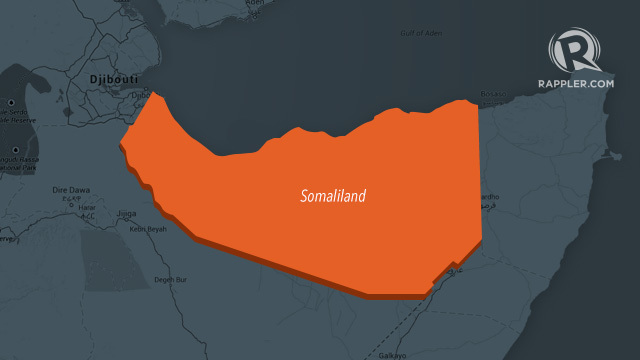
The minister told the Nation in his Nyayo House office in Nairobi that Sheikh Aden’s children had also become Kenyan citizens. He said since the law currently does not allow dual citizenship, his ministry usually confiscates Kenyan passports.Mr Kajwang’ said his ministry also discovered a number of Somalis who had acquired genuine Kenyan travel documents as they were just about to board a plane to their destinations. “We refused them exit after we realised they were not Kenyans but Somalis from Somaliland.” Somaliland is an autonomous region in Somalia.
The minister said his ministry was facing challenges using birth certificates and national IDs as primary documents for the issuance of national passports. Following reforms in the ministry, Mr Kajwang’ said, it now took three days for one to renew a passport, and 14 days for fresh applicants to acquire one.
He said it took 20 days for applicants in Nairobi to acquire national ID cards, 30 days for those living in non-border areas and 40 days for those coming from border regions. The minister regretted that many eligible Kenyans were yet to apply for national IDs even though there was no backlog.
www.medeshi.com
Wednesday, May 20, 2009
Somali diplomat gives up Kenyan passport
Somali diplomat gives up Kenyan passport
By NATION Reporter Posted Wednesday, May 20 2009
A Kenyan passport issued to Mr Hassan Sheikh Aden Issak has been withdrawn. Immigration and Registration of Persons minister Otieno Kajwang’ said the Somali diplomat had become a Kenyan citizen by registration when he was issued the passport.
However, Sheikh Aden was appointed a diplomat when the Somali government was installed. “We realised he had a Kenyan passport when his name registered in our systems when he returned to the country, and withdrew it. He had not even renounced his Kenyan citizenship,” Mr Kajwang’ said.
Dual citizenship
The minister told the Nation in his Nyayo House office in Nairobi that Sheikh Aden’s children had also become Kenyan citizens. He said since the law currently does not allow dual citizenship, his ministry usually confiscates Kenyan passports.Mr Kajwang’ said his ministry also discovered a number of Somalis who had acquired genuine Kenyan travel documents as they were just about to board a plane to their destinations. “We refused them exit after we realised they were not Kenyans but Somalis from Somaliland.” Somaliland is an autonomous region in Somalia.
The minister said his ministry was facing challenges using birth certificates and national IDs as primary documents for the issuance of national passports. Following reforms in the ministry, Mr Kajwang’ said, it now took three days for one to renew a passport, and 14 days for fresh applicants to acquire one.
He said it took 20 days for applicants in Nairobi to acquire national ID cards, 30 days for those living in non-border areas and 40 days for those coming from border regions. The minister regretted that many eligible Kenyans were yet to apply for national IDs even though there was no backlog.
www.medeshi.com
Somali football team to get teenagers off the Cambridge Estate
Medeshi
Somali football team to get teenagers off the Cambridge Estate
18th May 2009
By David Lindsell »
Medeshi
Somali teenagers have started a five-a-side football team to keep them out of trouble and improve their footballing skills.
The 16 to 25 year olds approached Somali community organisers asking them to help set up a club.
The project is set to be awarded £750 by Kingston Town Centre councillors this week toward pitch hire, coaching, publicity and football equipment.
Organiser Mohammed Ali said: "They hang around the Cambridge Estate and we feel that we have to keep them off the estates and give them something to do.
"They are good players. Some have experience but the others are getting healthy through it. They do like to show off their skills."
The 54-year-old said his legs would no longer stretch to training with the team on Saturday afternoons at Kingsmeadow but he hoped to build a squad of 22 players for an 11-a-side team.
While the Kingston Somali football team goes from strength to strength, the national team has struggled in recent years because of the ongoing civil war. Their star striker Ayub Daud plays for Juventus but the Somalis are forced to play all their games away from home.
The Kingston Somali Community Association was set up in December 2006 with an office in the United Reformed Church offering advice and assistance.
Medeshi
Somali football team to get teenagers off the Cambridge Estate
18th May 2009
By David Lindsell »
Medeshi
Somali teenagers have started a five-a-side football team to keep them out of trouble and improve their footballing skills.
The 16 to 25 year olds approached Somali community organisers asking them to help set up a club.
The project is set to be awarded £750 by Kingston Town Centre councillors this week toward pitch hire, coaching, publicity and football equipment.
Organiser Mohammed Ali said: "They hang around the Cambridge Estate and we feel that we have to keep them off the estates and give them something to do.
"They are good players. Some have experience but the others are getting healthy through it. They do like to show off their skills."
The 54-year-old said his legs would no longer stretch to training with the team on Saturday afternoons at Kingsmeadow but he hoped to build a squad of 22 players for an 11-a-side team.
While the Kingston Somali football team goes from strength to strength, the national team has struggled in recent years because of the ongoing civil war. Their star striker Ayub Daud plays for Juventus but the Somalis are forced to play all their games away from home.
The Kingston Somali Community Association was set up in December 2006 with an office in the United Reformed Church offering advice and assistance.
Medeshi
Somaliland clans in ceasefire over disputed farmland

Medeshi
Somaliland clans in ceasefire over disputed farmland
KALABAIDH, 20 May 2009 - Two clans in Somaliland's Elberdale farmland in Gabiley region, who have fought intermittently in the past five months over disputed farmland, have agreed a ceasefire, a mediator said.
(Photo: Abdirahman Warsame, a member of the mediation committee seeking to reconcile the two clans)
Abdirahman Warsame, a member of the Somaliland's Guurti mediation committee, told IRIN on 17 May that 25 elders from each clan had sworn to end fighting and to reconcile the two clans.
However, talks aimed at resolving the dispute, which started in mid-April between the Hared and the Nour clans, are ongoing in Kalabait.
The government sent military and police troops to Elberdale last month in a bid to stop the fighting.
On 14 May, elders visited patients admitted to hospital in Gabiley and Dila areas who had been injured in previous fighting over the Elberdale farmland.
"We went to Gabiley Hospital and to Dila Hospital to see all those who were injured in the conflict; we also ascertained the number of those who have died," Aden Elabe, one of the elders, told IRIN.
Elabe said the team of elders also visited areas where farmers from Elberdale had fled, such as Geed Diqsi, Jaldhabaha, Satile and Da'walay, to reassure them the conflict would be resolved.
However, local officials have expressed concern over farmers missing the present planting season.
Elabe Mohamoud Hufane, the mayor of Dila district in Awdal region, said: "This is the season when farmers grow sorghum and maize but here in Dila district, we have more than 120 families who fled the conflict in early April and are yet to return to their farms in Burdi and Geed Diqsi areas."
Abdirahman Warsame, a member of the Somaliland's Guurti mediation committee, told IRIN on 17 May that 25 elders from each clan had sworn to end fighting and to reconcile the two clans.
However, talks aimed at resolving the dispute, which started in mid-April between the Hared and the Nour clans, are ongoing in Kalabait.
The government sent military and police troops to Elberdale last month in a bid to stop the fighting.
On 14 May, elders visited patients admitted to hospital in Gabiley and Dila areas who had been injured in previous fighting over the Elberdale farmland.
"We went to Gabiley Hospital and to Dila Hospital to see all those who were injured in the conflict; we also ascertained the number of those who have died," Aden Elabe, one of the elders, told IRIN.
Elabe said the team of elders also visited areas where farmers from Elberdale had fled, such as Geed Diqsi, Jaldhabaha, Satile and Da'walay, to reassure them the conflict would be resolved.
However, local officials have expressed concern over farmers missing the present planting season.
Elabe Mohamoud Hufane, the mayor of Dila district in Awdal region, said: "This is the season when farmers grow sorghum and maize but here in Dila district, we have more than 120 families who fled the conflict in early April and are yet to return to their farms in Burdi and Geed Diqsi areas."
Israel 'deaf' to two-state solution

Medeshi May 19, 2009
Israel 'deaf' to two-state solution
US calls for a two-state solution "fell on deaf ears", the Palestinians' chief negotiator with Israel has said.
Speaking to Al Jazeera on Tuesday, the day after the first official meeting between Barack Obama, the US president, and Binyamin Netanyahu, Israel's prime minister, Saeb Erekat indicated that Palestinians had low expectations of the outcome.
In their talks in Washington, Obama told Netanyahu to stop expanding Jewish settlements and grasp the "historic opportunity" to make peace with the Palestinians.
"We appreciate very much what Mr Obama said ... [But] I'm sure this fell on deaf ears. Mr Netanyahu will continue to be in a state of denial," Erekat told Al Jazeera.
"He will not accept the two-state solution, he will not accept agreements signed. He will continue with settlement activities and he thinks he can beat about the bush by more vagueness and linguistics and public relations campaigns."
In four hours of talks with Obama, Netanyahu refused to publicly commit to an independent Palestinian state.
He told Obama that Israel was "ready" to resume negotiations with the Palestinians, which stalled during Israel's 22-day offensive in the Gaza Strip, but avoided endorsing the two-state solution.
"If we resume negotiations then I think the Palestinians will have to recognise Israel as a Jewish state and also enable Israel to have the means to defend itself," Netanyahu said.
Following the meeting, Netanyahu said: "I did not say two states for two peoples."
He also said that Israel did not want to govern the Palestinians.
"We want them to govern themselves [minus] a handful of powers that could endanger the state of Israel," Netanyau said.
But Erekat rejected this as rhetoric.
"Really, when he [Netanyahu] says that he wants Palestinians to govern themselves by themselves - Mr Netanyahu I have a question for you: How can I govern myself by myself under your wall, settlements, incursions, assasinations, roadblocks?" he told Al Jazeera.
'Nothing but wishes'
Hamas, the Palestinian faction that controls the Gaza Strip, was sceptical of the meeting, saying it offered nothing new.
"The statements by Obama are nothing but wishes on which we do not much count," Fawzi Barhoum, a Hamas spokesman, said in a statement.
He said that statements by Obama that "are not accompanied by pressure on the Zionist occupation and concrete measures do not reflect a radical change of American policy toward our people".
Sherine Tadross, Al Jazeera's correspondent reporting from Jerusalem, said that Israel officially remained up beat about the meeting but that the press saw the two leaders as finding little common ground.
"The official line is that it was a very good meeting, that there was a lot of chemistry between the two leaders and there were a lot of common interests expressed ... now that is a world apart from how the Israeli press has read the situation," she said.
"Certainly, it seems, the line that is often given to US presidents by Israeli leaders - 'listen I need more time because domestically I'm not in a situation where I can press my fragile coalition government to dismantle settlements and establish a two state solution' - was not bought by Obama."
Settlement concerns
Despite Obama's call for a halt to settlement building, there were reports that Israel was moving ahead with construction of a new settlement on the east side of the West Bank, where Israeli officials have already issued tenders for housing units in the area.
David Elhaiini, a local Israeli government official, said the timing of the construction was not intended to make a political point as it was initially approved in 2008 by Ehud Barak, the Israeli defence minister, the Associated Press news agency reported.
The Palestinians say settlements, which the World Court has deemed illegal, could deny them a viable state.
Netanyahu and Obama also discussed the issue of Iran's nuclear programme, which the West and Israel believe is a disguised weapons drive but which Iran says is for purely civilian purposes.
Obama warned that the US was "not going to have talks forever" on the issue, but reinforced his earlier position that he offered an "outstretched hand" to Tehran.
Netanyahu, speaking separately to reporters, insisted that Israel "reserves its right to defend itself".
Israel 'deaf' to two-state solution
US calls for a two-state solution "fell on deaf ears", the Palestinians' chief negotiator with Israel has said.
Speaking to Al Jazeera on Tuesday, the day after the first official meeting between Barack Obama, the US president, and Binyamin Netanyahu, Israel's prime minister, Saeb Erekat indicated that Palestinians had low expectations of the outcome.
In their talks in Washington, Obama told Netanyahu to stop expanding Jewish settlements and grasp the "historic opportunity" to make peace with the Palestinians.
"We appreciate very much what Mr Obama said ... [But] I'm sure this fell on deaf ears. Mr Netanyahu will continue to be in a state of denial," Erekat told Al Jazeera.
"He will not accept the two-state solution, he will not accept agreements signed. He will continue with settlement activities and he thinks he can beat about the bush by more vagueness and linguistics and public relations campaigns."
In four hours of talks with Obama, Netanyahu refused to publicly commit to an independent Palestinian state.
He told Obama that Israel was "ready" to resume negotiations with the Palestinians, which stalled during Israel's 22-day offensive in the Gaza Strip, but avoided endorsing the two-state solution.
"If we resume negotiations then I think the Palestinians will have to recognise Israel as a Jewish state and also enable Israel to have the means to defend itself," Netanyahu said.
Following the meeting, Netanyahu said: "I did not say two states for two peoples."
He also said that Israel did not want to govern the Palestinians.
"We want them to govern themselves [minus] a handful of powers that could endanger the state of Israel," Netanyau said.
But Erekat rejected this as rhetoric.
"Really, when he [Netanyahu] says that he wants Palestinians to govern themselves by themselves - Mr Netanyahu I have a question for you: How can I govern myself by myself under your wall, settlements, incursions, assasinations, roadblocks?" he told Al Jazeera.
'Nothing but wishes'
Hamas, the Palestinian faction that controls the Gaza Strip, was sceptical of the meeting, saying it offered nothing new.
"The statements by Obama are nothing but wishes on which we do not much count," Fawzi Barhoum, a Hamas spokesman, said in a statement.
He said that statements by Obama that "are not accompanied by pressure on the Zionist occupation and concrete measures do not reflect a radical change of American policy toward our people".
Sherine Tadross, Al Jazeera's correspondent reporting from Jerusalem, said that Israel officially remained up beat about the meeting but that the press saw the two leaders as finding little common ground.
"The official line is that it was a very good meeting, that there was a lot of chemistry between the two leaders and there were a lot of common interests expressed ... now that is a world apart from how the Israeli press has read the situation," she said.
"Certainly, it seems, the line that is often given to US presidents by Israeli leaders - 'listen I need more time because domestically I'm not in a situation where I can press my fragile coalition government to dismantle settlements and establish a two state solution' - was not bought by Obama."
Settlement concerns
Despite Obama's call for a halt to settlement building, there were reports that Israel was moving ahead with construction of a new settlement on the east side of the West Bank, where Israeli officials have already issued tenders for housing units in the area.
David Elhaiini, a local Israeli government official, said the timing of the construction was not intended to make a political point as it was initially approved in 2008 by Ehud Barak, the Israeli defence minister, the Associated Press news agency reported.
The Palestinians say settlements, which the World Court has deemed illegal, could deny them a viable state.
Netanyahu and Obama also discussed the issue of Iran's nuclear programme, which the West and Israel believe is a disguised weapons drive but which Iran says is for purely civilian purposes.
Obama warned that the US was "not going to have talks forever" on the issue, but reinforced his earlier position that he offered an "outstretched hand" to Tehran.
Netanyahu, speaking separately to reporters, insisted that Israel "reserves its right to defend itself".
AusAID: Australian Assistance to Somalia

Medeshi
AusAID: Australian Assistance to Somalia
May 19, 2009
Australia will provide $2 million to support efforts to restore peace to Somalia after almost two decades of conflict and humanitarian crises.
The United Nations estimates that over half the population of Somalia is in need of humanitarian assistance and that one in six Somali children under five is acutely malnourished.
Essential services have collapsed and around 1.3 million Somalis are displaced.
Australia will contribute:
- $1.5 million to the United Nations Humanitarian Appeal
- $500,000 to the African Union Mission in Somalia (AMISOM).
The UN's humanitarian appeal for Somalia is 70 per cent underfunded - the worst shortfall of any UN appeal. This is having a major adverse impact on the provision of essential services, including education and health, to Somalis affected by conflict, economic collapse and famine.
Maternal and infant mortality rates are amongst the highest in the world, and women and children are most vulnerable to violence. Australia's contribution to UN agencies will support vital health services for women and children, and security for humanitarian workers so that they can deliver aid to the people who most need it.
Australia's contribution will also support AMISOM's operations in Somalia, including the provision of medical support and supplies to local communities.
Australia commends the African Union for its commitment to improving security in Somalia through AMISOM and contributing to the improvement of the humanitarian situation. It faces a challenging mission helping Somalia's Transitional Government stabilise the situation in the country and has paid a heavy price in the lives of personnel lost on duty.
Resolution of the conflict in Somalia is essential to relieve the humanitarian crisis and strengthen stability in the Horn of Africa. It will help tackle the root causes of Somalia-based piracy, which continues to threaten shipping and maritime security in the Gulf of Aden and off the East African coast.
May 19, 2009
Australia will provide $2 million to support efforts to restore peace to Somalia after almost two decades of conflict and humanitarian crises.
The United Nations estimates that over half the population of Somalia is in need of humanitarian assistance and that one in six Somali children under five is acutely malnourished.
Essential services have collapsed and around 1.3 million Somalis are displaced.
Australia will contribute:
- $1.5 million to the United Nations Humanitarian Appeal
- $500,000 to the African Union Mission in Somalia (AMISOM).
The UN's humanitarian appeal for Somalia is 70 per cent underfunded - the worst shortfall of any UN appeal. This is having a major adverse impact on the provision of essential services, including education and health, to Somalis affected by conflict, economic collapse and famine.
Maternal and infant mortality rates are amongst the highest in the world, and women and children are most vulnerable to violence. Australia's contribution to UN agencies will support vital health services for women and children, and security for humanitarian workers so that they can deliver aid to the people who most need it.
Australia's contribution will also support AMISOM's operations in Somalia, including the provision of medical support and supplies to local communities.
Australia commends the African Union for its commitment to improving security in Somalia through AMISOM and contributing to the improvement of the humanitarian situation. It faces a challenging mission helping Somalia's Transitional Government stabilise the situation in the country and has paid a heavy price in the lives of personnel lost on duty.
Resolution of the conflict in Somalia is essential to relieve the humanitarian crisis and strengthen stability in the Horn of Africa. It will help tackle the root causes of Somalia-based piracy, which continues to threaten shipping and maritime security in the Gulf of Aden and off the East African coast.
Eritrea awards more mining licences

Medeshi
Eritrea awards more mining licences
Tue May 19, 2009
By Andrew Cawthorne
ASMARA (Reuters) - Eritrea said on Tuesday eight more foreign firms had entered its mining sector with a clutch of new exploration licences in a nation seen on the cusp of a minerals boom that could motor its needy economy.
Alem Kibreab, director general of mines for the Energy and Mines Ministry, added the Horn of Africa nation's first and flagship project -- the Bisha mine -- should start producing gold by the third quarter of 2010.
"Despite its small size, Eritrea is going to be on the map of mining countries," he told Reuters, adding that reserves identified so far were only the "tip of the iceberg."
Foreign miners agree on the potential, but Eritrea insists the sector must be developed slowly and carefully to prevent the so-called "resources curse" where oil and minerals have spawned corruption and violence elsewhere in Africa.
A new round of licences awarded earlier this year had brought the total number of foreign companies exploring or about to explore in Eritrea to 14, Alem said.
He named the newcomers as Britain's Andiamo Exploration and London Africa; China's Land and Energy and Zhongchang Mining; the Eritrean-Libyan Mining Share; Australia's South Boulder and Gippsland; and India's Spice Minerals.
Gold, copper, zinc and potash are the main interest.
"We know that the juniors are the ones who aggressively come for exploration," he said. "We are comfortable not only with the size but the diversification of countries."
Eritrea's most advanced project, run by Canada's Nevsun Resources Ltd with a 40 percent stake for the state, is Bisha. Its 27 million tonnes of ore are believed to contain 1 million ounces of gold, 700-800 million lb of copper and 1 billion lb of zinc.
"Construction has started. Most of the workers' quarters are ready. We strongly believe that by the third quarter of 2010, we will start production," Alem said, adding that feasibility and environment impact studies had been lengthy.
For the first two-and-a-half years it will produce gold, with output of 450,000 ounces a year expected. Then it will turn to copper, followed by zinc in a probable 10-year life.
"Bisha is unique. You rarely find a project with gold on top, then copper, then zinc, like that," Alem said.
"If we get the gold price at today's price, it will be beneficial, obviously," he said, adding the mine was planned with a lower price of between $400-600 an ounce in mind.
MINISTERIAL RE-SHUFFLE
Next up will be the Zara project, run by Australia's Sub-Sahara Resources, and the Asmara belt, headed by Canada's Sunridge.
Zara is believed to hold 1 million ounces of gold.
Asmara belt has some 70 million tonnes of ore thought to contain between 500,000-1 million ounces of gold, 2 billion lb of zinc and 700-800 million lb of copper, Alem said.
"It is a very difficult time because of the credit crunch. If all goes well, though, we should have feasibility studies finished by 2011 for both, then construction would start, and production would be a year or two years after."
Mining company sources said those targets were not over-ambitious, but may shift according to global economics.
Alem said Eritrea did not have any estimates for total national reserves, but the potential was clear and the economy -- one of the world's smallest -- had much to gain.
"As well as the revenues, it can provide a big support to other sectors," Alem said.
Apart from small-scale, artisan mining and some minor extraction by Italians during the colonial era, Eritrea's mining potential is unexploited. Some bigger miners were scared off by the 1998-2000 border war with Ethiopia.
President Isaias Afwerki recently moved long-serving Energy and Mines Minister Tesfai Ghebreselassie to the environment portfolio, replacing him with Ahmed Haj Ali who had been running the fisheries ministry.
Ahmed had experience in the sector from a stint as deputy energy and mines minister, Alem said. And while foreign companies would be reassured by Tesfai's move to the environment, he would be no pushover, he added.
"It is a plus to the industry. That is how the companies take it ... I am sure, though, that he will be even tougher in protecting the environment because a lot of people will say he will have a weakness there. Even when here, he was very strong on the environment."
Tue May 19, 2009
By Andrew Cawthorne
ASMARA (Reuters) - Eritrea said on Tuesday eight more foreign firms had entered its mining sector with a clutch of new exploration licences in a nation seen on the cusp of a minerals boom that could motor its needy economy.
Alem Kibreab, director general of mines for the Energy and Mines Ministry, added the Horn of Africa nation's first and flagship project -- the Bisha mine -- should start producing gold by the third quarter of 2010.
"Despite its small size, Eritrea is going to be on the map of mining countries," he told Reuters, adding that reserves identified so far were only the "tip of the iceberg."
Foreign miners agree on the potential, but Eritrea insists the sector must be developed slowly and carefully to prevent the so-called "resources curse" where oil and minerals have spawned corruption and violence elsewhere in Africa.
A new round of licences awarded earlier this year had brought the total number of foreign companies exploring or about to explore in Eritrea to 14, Alem said.
He named the newcomers as Britain's Andiamo Exploration and London Africa; China's Land and Energy and Zhongchang Mining; the Eritrean-Libyan Mining Share; Australia's South Boulder and Gippsland; and India's Spice Minerals.
Gold, copper, zinc and potash are the main interest.
"We know that the juniors are the ones who aggressively come for exploration," he said. "We are comfortable not only with the size but the diversification of countries."
Eritrea's most advanced project, run by Canada's Nevsun Resources Ltd with a 40 percent stake for the state, is Bisha. Its 27 million tonnes of ore are believed to contain 1 million ounces of gold, 700-800 million lb of copper and 1 billion lb of zinc.
"Construction has started. Most of the workers' quarters are ready. We strongly believe that by the third quarter of 2010, we will start production," Alem said, adding that feasibility and environment impact studies had been lengthy.
For the first two-and-a-half years it will produce gold, with output of 450,000 ounces a year expected. Then it will turn to copper, followed by zinc in a probable 10-year life.
"Bisha is unique. You rarely find a project with gold on top, then copper, then zinc, like that," Alem said.
"If we get the gold price at today's price, it will be beneficial, obviously," he said, adding the mine was planned with a lower price of between $400-600 an ounce in mind.
MINISTERIAL RE-SHUFFLE
Next up will be the Zara project, run by Australia's Sub-Sahara Resources, and the Asmara belt, headed by Canada's Sunridge.
Zara is believed to hold 1 million ounces of gold.
Asmara belt has some 70 million tonnes of ore thought to contain between 500,000-1 million ounces of gold, 2 billion lb of zinc and 700-800 million lb of copper, Alem said.
"It is a very difficult time because of the credit crunch. If all goes well, though, we should have feasibility studies finished by 2011 for both, then construction would start, and production would be a year or two years after."
Mining company sources said those targets were not over-ambitious, but may shift according to global economics.
Alem said Eritrea did not have any estimates for total national reserves, but the potential was clear and the economy -- one of the world's smallest -- had much to gain.
"As well as the revenues, it can provide a big support to other sectors," Alem said.
Apart from small-scale, artisan mining and some minor extraction by Italians during the colonial era, Eritrea's mining potential is unexploited. Some bigger miners were scared off by the 1998-2000 border war with Ethiopia.
President Isaias Afwerki recently moved long-serving Energy and Mines Minister Tesfai Ghebreselassie to the environment portfolio, replacing him with Ahmed Haj Ali who had been running the fisheries ministry.
Ahmed had experience in the sector from a stint as deputy energy and mines minister, Alem said. And while foreign companies would be reassured by Tesfai's move to the environment, he would be no pushover, he added.
"It is a plus to the industry. That is how the companies take it ... I am sure, though, that he will be even tougher in protecting the environment because a lot of people will say he will have a weakness there. Even when here, he was very strong on the environment."
Subscribe to:
Posts (Atom)
Qaar ka mid ah Ururada Bulshada Rayidka ah oo walaac ka muujiyay mudo dhaafka golayaasha deegaanada
Annaga oo ah Ururada Bulshada Rayidka ah ee Madaxa-banaan waxaanu si wayn uga walaacsanahay
-
 Medeshi Oct 29, 2008 Somali pirates living the high life By Robyn Hunter BBC News "No information today. No comment," a Somali pir...
 -
Medeshi Amnesty International Urgent Action - woman sentenced to death in Puntland, Somalia PUBLIC AI Index: AFR 52/003/2009 12 May 2009 UA ...
